
Highlights
- Hybrid and remote work have reduced the informal conversations that once helped managers identify concerns early.
- Survey fatigue can affect both participation and the quality of feedback received.
- Engagement surveys work best when combined with conversations, interviews, and other listening tools.
- Visible action helps build trust and encourages people to continue sharing honest feedback.
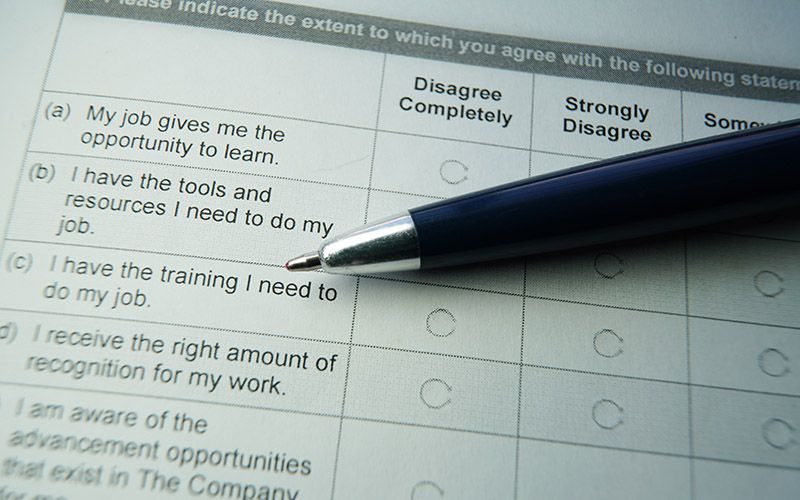
Employee engagement surveys remain one of the most widely used tools for gathering workplace feedback.
They can provide valuable insights into communication, workplace culture, leadership, job satisfaction, and other factors that influence engagement.
But many organizations are facing a new challenge: it’s becoming harder to uncover what people are really experiencing at work.
Not long ago, managers often learned about concerns through everyday interactions. Conversations before meetings, hallway discussions, team lunches, and routine workplace observations revealed issues before they became larger problems.
Today’s workplace often looks very different than it used to.
Hybrid schedules, remote work arrangements, flexible hours, and geographically dispersed teams have created many benefits, but they’ve also reduced the informal opportunities that once helped leaders stay connected to their workforces. As a result, concerns involving workload, communication, morale, retention, or burnout may remain hidden much longer.
That reality helps explain why employee engagement surveys have become such an important management tool.
Surveys still deserve a seat at the table.
A well-designed employee engagement survey can help organizations identify trends, measure sentiment, and better understand how people view their workplace experience. They also provide an opportunity for individuals to share concerns they may not feel comfortable raising during meetings or one-on-one conversations.
For many organizations, survey results provide valuable data that can help guide decision-making and identify areas requiring additional attention. But they work best when they’re part of a broader listening strategy rather than the only source of information.
People are experiencing feedback overload.
Employers are not the only ones seeking input. From customer satisfaction surveys to healthcare questionnaires to software ratings, requests for feedback have become a constant part of daily life. As a result, many people simply tune them out. Others may respond, but with less detail and thought than they might have provided in the past. (Source: Qualtrics, Employee Survey Fatigue)
The challenge isn’t necessarily participation. It’s whether the feedback being collected is candid and informative enough to provide meaningful insight.
Listening requires more than one tool.
Surveys can provide valuable information, but they aren’t the only way to gather feedback.
Organizations may gain deeper insights through confidential conversations, small-group discussions, or targeted interviews. People are often more willing to share concerns, frustrations, and suggestions when they have an opportunity to elaborate on their experiences rather than selecting answers from a survey form.
Outside facilitators can also play an important role. Employees may feel more comfortable speaking candidly with a neutral third party, particularly when discussing workplace culture, communication challenges, management concerns, or other sensitive issues.
When surveys are used, brevity matters. Keeping questionnaires focused and manageable can help reduce survey fatigue and encourage more thoughtful participation. A shorter survey followed by additional conversations can provide richer insights than a lengthy questionnaire alone.
The real value comes after the survey.
Collecting feedback is just the beginning. People notice whether their input leads to meaningful action. When organizations repeatedly ask for feedback but rarely communicate results or make visible improvements, participation can decline and trust can suffer.
On the other hand, when leaders listen carefully, share what they’ve learned, and take steps to address concerns, people are often more willing to provide honest feedback in the future.
In our experience, the strongest organizations aren’t necessarily the ones conducting the most surveys. They’re the ones creating multiple opportunities to listen and then acting on what they hear. One meaningful survey followed by visible action can accomplish far more than many surveys that produce little change.
FAQs
- Are employee engagement surveys enough on their own?
Employee engagement surveys can provide valuable insights, but they don’t always tell the whole story. Many organizations benefit from combining surveys with other listening strategies. A broader approach often provides a more complete understanding of workplace experiences and concerns.
- How often should employee engagement surveys be conducted?
The right frequency depends on the organization. Many employers conduct comprehensive surveys annually and supplement them with shorter pulse surveys throughout the year.
- What is the purpose of an employee engagement survey?
These surveys help organizations better understand perceptions related to leadership, communication, workplace culture, job satisfaction, and other factors that influence engagement.
- What causes survey fatigue?
Survey fatigue occurs when people receive frequent requests for feedback and begin to feel overwhelmed, disengaged, or skeptical that their responses will lead to meaningful change.
- What should employers do after receiving feedback?
Organizations should review results carefully, communicate key findings, identify priorities, and take visible action where appropriate. People are more likely to participate in future feedback efforts when they see that their input matters.
Employee engagement surveys can provide valuable insights, but they’re only one part of understanding what people are thinking and experiencing at work. The HR Team, a Ravix Group company, helps organizations gather meaningful feedback through listening strategies designed to uncover actionable insights and support informed decision-making. Contact us to start the conversation.
About The HR Team, a Ravix Group company: Founded in 1996, The HR Team is a Maryland-based human resources outsourcing firm committed to developing strategic, customized solutions that respond to the unique needs and cultures of organizations of all types and sizes. Available as a one-source alternative to an in-house HR department or on an à la carte project basis, the company’s flexible service models address the full spectrum of HR needs that many organizations struggle to address. The HR Team helps clients achieve their highest level of success by providing value-driven human resources services that leave them time to focus on what they do best: directing business growth and profitability. Headquartered in Columbia, Maryland, the firm serves all of Maryland, Washington, DC, and Virginia. To learn more about The HR Team, call 410.381.9700 or visit https://www.thehrteam.com/.